Architecture Design Project
Project 1a: Pre-Design Studies & Analysis
Architectural Design Project is a studio that forms the capstone project for the Bachelors of Science (Honours) Architecture programme, emphasizing the broad theme of sustaining humanities. This module is a thematic studio based on the theme of “sustaining humanities’ architecture for people, place and time. Designing for sustainability has been a fundamental issue for architects in our time within global and regional contexts. In line with the current discourse on sustainability, it upholds the belief that architecture can create better places, that architecture can affect society and humanity, and that it can have a role in making a place civilized by making a community more liveable. Students are required to further develop the proposed design project that reflects the theme. In addition to the theme of sustaining humanities, the module focuses on the development of students’ ability to integrate considerations of technology, environment and cultural context in architectural design and offers a platform for students to develop their own position in developing their individual project.
This Project Brief is developed for the first part (Project 1a) Group work (grouping based on tutorial grouping/ studio)
Located in the City of Muar, the students are required to do an in-depth and comprehensive analysis and presentation on the intangible and intangible aspects of the site, hence look into the possibilities of aligning these findings in developing the main programme: Art, Cultural & Innovative Centre. This phase is the where students (in-group) will assemble all the parts and pieces to a bigger picture.
Parts will include the following aspects:
a. brief historical background of the place and site.
b. user profile and understanding whom we are designing
c. study solar analysis and other site specific analysis
d. reviewing building code and local or city ordinance
e. establishing design parameters
f. research on precedents or do actual visitation to projects
The study will enable students a full an in-depth understanding of the people, place and time.
Final Outcome
Presentation slides
Final project
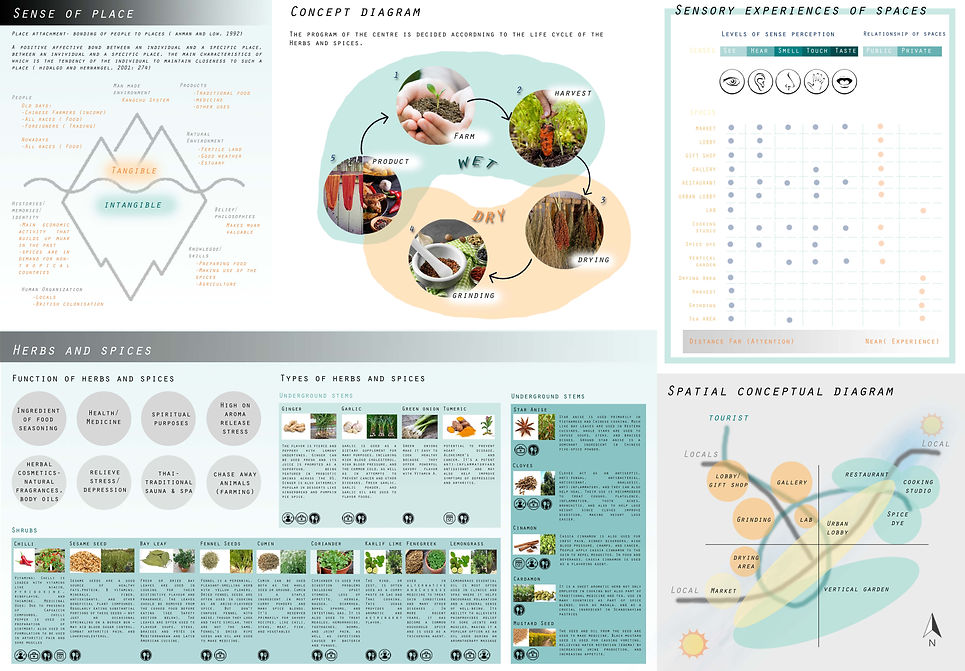
Muar was known for agriculture in the past, specifically herbs and spice which makes up their popular local cuisines. The population of the city has been decreasing overtime as majority of the younger generation has gone out to other cities for other opportunity other than agriculture. Around two-thirds of the city has moved to Kuala Lumpur, Singapore and other cities to study work and live permanently. With the migration of majority of the population, the remaining one third has stayed and continued with the city’s heritage, culture and way of life. Based on current feel of the place, Muar is in need for a place to live, work, learn, play, socialize and celebrate the culture to act as the heart and engine of the city. Public and cultural places encourage human interactions and architectural intervention makes the place more meaningful. Currently the city has the Maharani Royal Town to attract tourist and visitors but requires the needed boosts to generate interest and appeal. The town is generally quiet after 7:00pm and literally not much happening in the outdoor or public areas. Locals normally flock to nearby areas such as Malacca to enjoy nocturnal activities. According to the studies made by local and foreign researches, Muar is lacking of a ‘node’ that will allow local people to have their public activities ,moreover, could ‘draw’ or act as a magnet to attract people from different places in Malaysia and countries to visit and stay in the place. Muar, presently, has been recognized as the Furniture Capital of Malaysia 2018 and the Cleanest Tourist City in Asean Region for 2017 by the government and prestigious awarding body. Two major positive attributes, an internationally known artisanship/good culture and an enticing place to stay. The final year students, aligning with the theme sustaining humanities, are challenged to develop an architectural design intervention to the City of Muar and at the same time get to know and study how to showcase the culture and potentials of an aging town.